
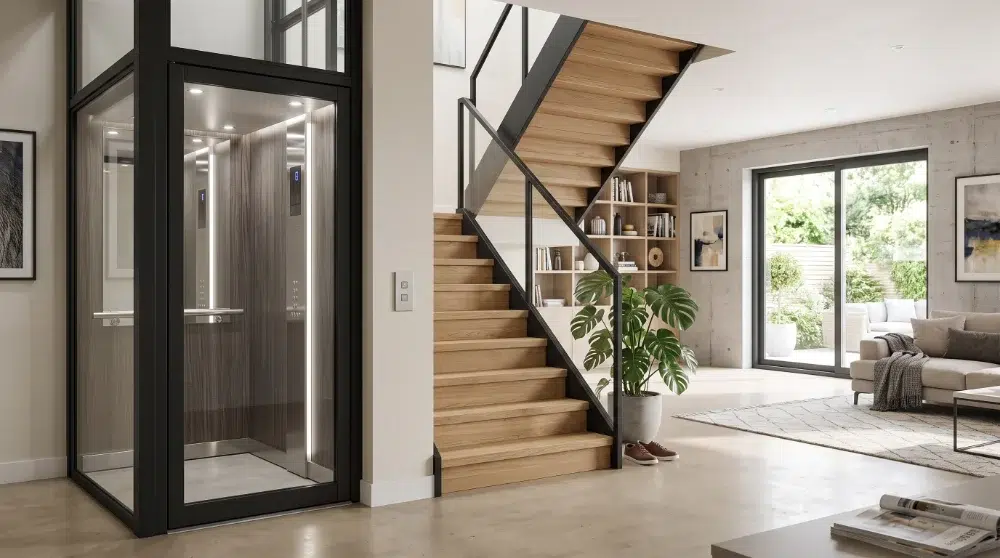
Whether you are retrofitting a home for future accessibility or developing a multi-story commercial complex, installing a lift is a significant capital investment. In the UK market, the lift installation cost uk spans from £13,000 for a residential platform lift to over £85,000+ for high-traffic commercial passenger lifts.
The total price includes the physical machinery, structural building works, electrical upgrades, statutory safety certifications, and ongoing compliance inspections.
This comprehensive guide outlines clear price ranges, structural cost factors, VAT exemptions, and technical considerations to help you budget accurately for your lift installation project.
This guide also addresses the lift installation cost uk, ensuring you have a comprehensive understanding.
Lift Installation Cost UK: Executive Pricing Summary
To establish a baseline, lift costs vary based on lift type, floor capacity, and structural modifications:
| Lift Type | Average UK Price Range (Inc. Basic Installation) | Typical Travel Height / Stops | Best Suited Application |
|---|---|---|---|
| Through-Floor Domestic Lift | £13,000 – £22,000 | 2 Stops (1 Floor) | Private Residences, Accessibility Retrofits |
| Screw-Driven Enclosed Platform Lift | £18,000 – £35,000 | 2 – 4 Stops | Public Buildings, Schools, Retail Units |
| Traction Domestic Passenger Lift | £25,000 – £48,000 | 2 – 5 Stops | High-End Residential, Luxury Renovations |
| Commercial Passenger Lift (MRL) | £28,000 – £75,000+ | 2 – 8+ Stops | Offices, Hotels, Residential Apartment Blocks |
| Heavy-Duty Commercial Goods Lift | £18,000 – £55,000 | 2 – 4 Stops | Warehouses, Industrial Units, Restaurants |
| Short-Rise Wheelchair Step Lift | £8,000 – £16,000 | Up to 1–2 metres | Split-Level Entrances, Public Accessibility |
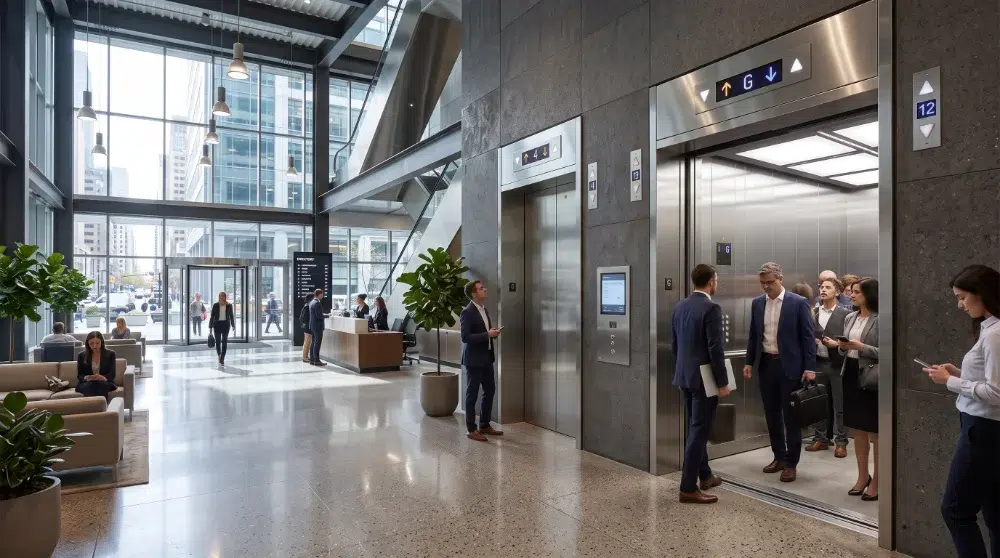
Breakdown of Lift Installation Costs UK by Lift Category
1. Domestic & Home Lift Installation Cost UK
Home lifts have seen substantial UK demand growth due to aging-in-place trends and modern architectural luxury developments.
- Through-Floor Lifts (£13,000 – £22,000): These units travel directly through a neat aperture cut into the ceiling/floor joists, operating on self-supporting vertical guide rails. They require no full structural shaft or deep pit, making them the most cost-effective residential solution.
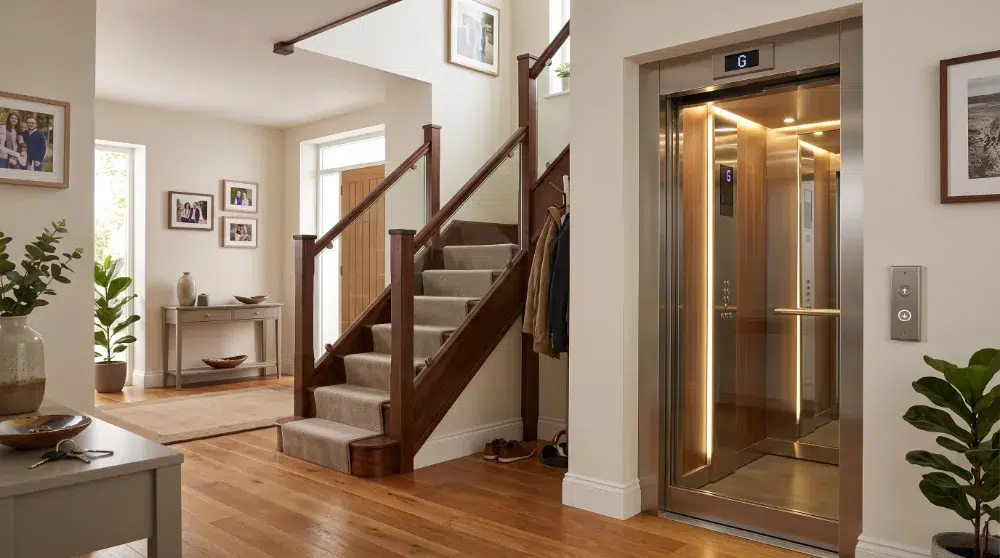
- Premium Home Passenger Lifts (£25,000 – £48,000+): Operating on quiet traction or hydraulic mechanisms, these models feature fully enclosed cabins, sliding sliding doors, and custom finishes (glass walls, hardwood panels). They mimic commercial lifts in aesthetic appeal but operate on domestic single-phase power.
2. Commercial Passenger Lift Installation Cost UK
Commercial passenger lifts are subject to strict regulatory compliance under BS EN 81-20 / EN 81-50 standards and the Equality Act 2010.
- Low-to-Mid Rise Commercial Lifts (£28,000 – £50,000): Standard 6 to 8-person (630kg) or 13-person (1000kg) Machine Room-Less (MRL) traction lifts serving 2 to 4 floors.
- High-Traffic / Multi-Storey Lifts (£50,000 – £85,000+): Designed for high duty cycles in office blocks, hospitals, or hotels serving 5+ floors. Advanced drive controls, regenerative energy recovery systems, and high-speed operation increase initial equipment outlay.
3. Platform Lifts & Accessibility Solutions
Platform lifts offer a cost-conscious method for public and commercial venues to maintain UK building regulations compliance (Approved Document M):
- Enclosed Screw-Driven Platform Lifts (£18,000 – £35,000): Operating at a maximum speed of 0.15 m/s, these units feature integrated self-supporting metallic or glass shafts. They do not require a separate machine room or deep pit (often operating with a shallow 50mm pit or ramp).
- Step / Low-Rise Open Platform Lifts (£8,000 – £16,000): Designed to bypass external steps or split-level internal floors up to 2 metres in height.
Civil Works and Structural Installation Expenses
The equipment cost quoted by a lift manufacturer rarely represents the final turnkey expenditure. Civil engineering and site preparation typically add 20% to 40% to the total project budget.
Crucial Civil Engineering Factors
- Pit Excavation & Water Containment (£2,000 – £8,000):
Standard passenger lifts require a concrete pit beneath the bottom floor landing measuring between 1,000mm and 1,500mm to house buffers and safety gear. If subterranean water tables are encountered, tanking and waterproofing add costs. - Structural Shaft Construction (£4,000 – £15,000+):
Unless choosing a self-supporting platform lift, you must construct a fire-rated masonry or steel frame enclosure capable of supporting guide rail loads and landing door fixings. - Headroom & Overhead Space (£1,500 – £5,000):
Traction lifts require structural clearance above the top floor landing level (typically 3,400mm to 3,800mm). Insufficient overhead space requires costly roof adjustments or specialized low-headroom machinery choices. - Electrical Power Infrastructure (£1,000 – £4,500):
Smaller home lifts operate on standard 230V single-phase supplies. Commercial passenger lifts generally demand a dedicated 415V 3-phase power supply directly from the main distribution board, complete with isolators and backup lighting circuits.
Key Technical Cost Drivers
When specifying a lift package with an engineering team, four technical variables directly dictate costs:
Total Lift Project Cost = Machinery Specification + Structural Site Prep + Stops & Travel + Compliance & Licensing
- Number of Floors & Stops: Adding stops increases material costs (rails, cabling, interlocks, landing doors) and site installation days. Expect roughly £3,500 – £7,000 per additional floor.
- Drive Mechanism (Traction vs. Hydraulic vs. Screw):
- Traction (MRL): Higher upfront cost, highly energy-efficient, fast, smooth ride quality.
- Hydraulic: Moderate upfront cost, higher energy use, requires fluid reservoir space.
- Screw-Driven: Lower equipment price, compact footprint, lower operating speed (0.15 m/s max).
- Cabin Finishes and Customisation: Custom architectural glass, brushed brass panels, or heavy-duty anti-vandal floorings increase base cabin costs by 15% to 40%.
- Speed Requirements: Standard home platform lifts travel at 0.15 m/s. Commercial passenger lifts travel at speeds ranging from 1.0 m/s to 2.5 m/s+, requiring more powerful gearless motors and advanced safety gear.
UK Legal Compliance, Statutory Regulations, and VAT Relief
VAT Relief for Residential Accessibility (0% Rate)
Under HM Revenue & Customs (HMRC) Notice 701/7, individuals installing a home lift due to a long-term medical condition, disability, or mobility limitation may qualify for 0% VAT rating on both the lift unit and associated installation labor.
- Standard VAT Rate: 20%
- Qualifying Medical Relief Rate: 0%
- Potential Savings: On a £20,000 home lift installation, zero-rating saves £4,000 directly from the final invoice.
Commercial Compliance Requirements
Commercial property owners and duty holders must budget for mandatory UK statutory requirements:
- Building Regulations Approved Document M: Mandates minimum cabin dimensions (e.g., 1100mm W x 1400mm D for standard wheelchair turning radius) and tactile button heights.
- LOLER 1998 Examinations: Under the Lifting Operations and Lifting Equipment Regulations 1998, commercial lifts carrying passengers must undergo a thorough examination by a competent independent body at least every 6 months.
- Building Control Sign-Off: Local authority or private approved inspector certification fees range between £400 and £900.

Long-Term Running & Maintenance Costs
The financial lifecycle of a lift extends beyond installation. Ongoing operational budgets should factor in annual maintenance, power usage, and component replacements.
Estimated Ongoing Annual Expenditure
| Expense Item | Residential Home Lift | Commercial Passenger Lift |
|---|---|---|
| Annual Maintenance Contract | £250 – £600 / year | £600 – £1,800+ / year |
| LOLER Inspections (Commercial) | N/A (Optional) | £300 – £700 / year |
| Electricity Consumption | £50 – £150 / year | £300 – £1,200+ / year |
| Emergency Telephone Line / SIM | £120 – £240 / year | £180 – £360 / year |
| Component Reserve Fund | £200 / year | £500 – £1,500 / year |
Frequently Asked Questions
With regular servicing and preventative maintenance, modern commercial and domestic passenger lifts last between 20 and 25 years. Key components such as control boards or hydraulic seals may require mid-life modernization around year 10 to 12.
A standard through-floor vertical platform lift or a low-rise step lift represents the most economical option, with basic models starting from £10,000 to £14,000 installed, excluding optional structural modifications.
Yes, but you must secure Listed Building Consent and consult local planning officers. Platform lifts with self-contained structural steel shafts or glass enclosures are often preferred by heritage officers because they require minimal structural anchoring to historic fabric.
A domestic through-floor lift can be installed within 1 to 3 days once site preparation is complete. Structural enclosed platform lifts require 3 to 7 days, while complex commercial multi-floor passenger lifts require 2 to 6 weeks of on-site assembly, testing, and commissioning.