

In the high-stakes environment of UK facilities management, a lift maintenance contract is often viewed as a mere administrative necessity. However, as we move through 2026, the strategic value of these agreements has shifted from simple “greasing and oiling” to comprehensive risk management and asset longevity. A single passenger lift can carry over 20,000 people per month; the legal, financial, and operational risks of a failure are immense.
A well-structured contract doesn’t just protect the lift – it protects your budget by spreading costs evenly and preventing expensive reactive repair surprises. In this guide, we break down every facet of the 2026 lift maintenance landscape, from pricing tiers to the critical differences between PUWER and LOLER.
Navigating UK Compliance: The Legal Pillars
Every building owner or “Responsible Person” has a duty of care under the Health and Safety at Work etc. Act 1974. This duty is refined by two primary sets of regulations that dictate how your lift maintenance contract must function.
PUWER (Provision and Use of Work Equipment Regulations 1998)
PUWER focuses on the continuous safety and fitness for the purpose of the lift. Your lift maintenance contract is essentially your PUWER compliance tool. It mandates that equipment is:
LOLER (Lifting Operations and Lifting Equipment Regulations 1998)
While PUWER is about maintenance, LOLER is about “thorough examination”.
Understanding 2026 Pricing and Contract Tiers
Lift maintenance contract costs in 2026 are influenced by lift type, age, and usage intensity.
| Service Type | 2026 Estimated Range (per visit/year) | Best For |
|---|---|---|
| Domestic Lift Servicing | £77 – £650 per inspection | Homeowners / Luxury Residential |
| Home Elevator Maintenance Call | £70 – £100 per call | Ad-hoc residential support |
| Commercial PPM (Basic) | £90 – £200 per visit | Low-traffic commercial buildings |
| Full Comprehensive Contract | Custom Quote (e.g., £200,000+ for large portfolios) | Hospitals, Airports, High-Rise |
Tiered Service Levels
Basic / PPM (Planned Preventive Maintenance): Covers the essentials: lubrication, visual checks and minor adjustments. Repairs and call-outs are typically charged as extras.
Semi-Comprehensive: Includes scheduled visits plus a limited number of emergency call-outs. It provides a middle ground for budget stability.
Comprehensive: The “Full Budgetary Control” option. It covers most parts, unlimited call-outs, and emergency repairs. This is recommended for high-traffic assets where downtime costs the business thousands per hour.
The Revolution of Smart Maintenance (2026 Technology)
By 2026, implementing AI-powered predictive maintenance has become the primary strategy for UK facility managers to turn maintenance goals into measurable outcomes.
AI-Driven Diagnostics and IoT
The integration of sensors across motors, brakes and doors allows for real-time health monitoring.
- Accuracy: Prediction models can now forecast breakdowns with significant accuracy by identifying anomalies in vibration and temperature.
- False Alarm Reduction: Machine learning algorithms help recognize normal usage patterns, only triggering alerts for true performance drift.
Sustainability and Energy Efficiency
Smart elevators in 2026 are core components of intelligent building ecosystems, focusing heavily on green building certifications.

The 2027 PSTN Switch-off: A 2026 Deadline
By 31 January 2027, the UK’s analogue Public Switched Telephone Network (PSTN) will be permanently shut down. For Facility Managers, this is a safety-critical deadline because traditional lift emergency alarms rely on these copper lines.
2026 Fire Safety & Evacuation Standards
Fire safety legislation has seen a major overhaul in 2026, specifically targeting high-risk and multi-storey buildings.
Independent Specialists vs. ‘The Big Four’
Building owners must choose between global manufacturers (OEMs) and independent specialists.
Maximising ROI and Asset Life-Cycle Planning
A lift maintenance contract should be a frontline defence against the massive capital outlay of a full replacement, which can cost upwards of £80,000.
Scheduled Servicing: Regular Planned Preventative Maintenance (PPM) is essential to clear door tracks and maintain electrical systems, which are the most frequent points of failure. Data from ILECS and the Office of Rail and Road (ORR) confirms the UK industry average remains at four breakdowns per year per lift. By having a maintenance contract in place, you can significantly reduce this number of breakdowns.
Energy Efficiency: Modernisation is a key energy trend in 2026. Upgrading to newer standards, such as BS EN 81-76 for evacuation lifts, ensures both safety and compliance with the latest UK building designs.
Evidence-Driven Strategy: By tying verified energy and fault data directly to your reporting systems, you can move from a ‘pilot’ maintenance phase to a repeatable, portfolio-wide framework that guarantees uptime.
Checklist: What to Look for in a 2026 Contract
Before signing, ensure your agreement explicitly addresses these essential components:
Planned Maintenance visits: Specify the number of visits (typically 2 to 6 per year) and the exact scope of inspection.
Emergency Response: Clear call-out procedures and guaranteed response times for entrapments (aim for 1 hour) and general faults.
Parts & Labour Exclusions: Does “Comprehensive” include major parts like drives and ropes? Many providers exclude these in their standard “comprehensive” tiers.
Performance KPIs: Establish benchmarks for lift availability and entrapment response that, if not met, trigger service reviews.
What’s Hidden in the Small Print? (The 2026 ‘Transparency’ Audit)
In 2026, the most effective way to “squeeze the waste” from your budget is to identify fees that many competitors hide in ambiguous contract clauses. When reviewing a proposal, look specifically for these three “red flags” in the fine print:
Securing Your Building’s Vertical Transport
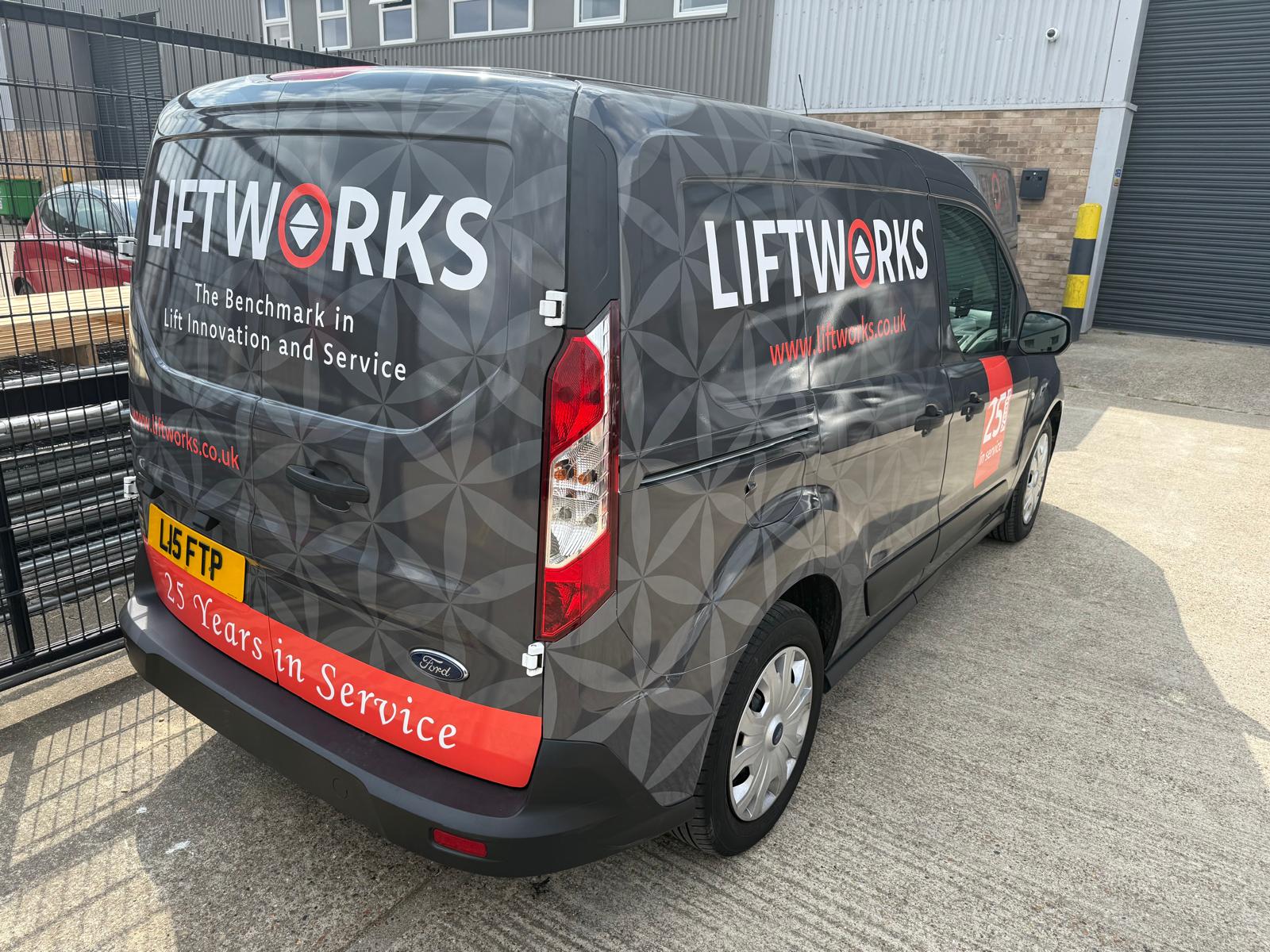
In 2026, the most successful Facility Managers are those who use data to “squeeze the waste” from existing assets. By choosing Liftworks: a maintenance partner that combines technical NVQ-certified expertise with transparent, digital reporting, you ensure your lifts remain safe, compliant, and cost-effective.